(972)332-8733
  • News & Resources
0 Items
Better Living Center for Behavioral Health
  • Our Mission
  • What We Do
  • My Account
  • Cart
Select Page
When High-Functioning Perfectionism Breaks Down

When High-Functioning Perfectionism Breaks Down

For Providers, For the Public, Team Members

Are you a high-functioning perfectionist? Being highly successful and very good at what you do is something to be proud of. But the unfortunate reality of being high functioning doesn’t always make it easy to recognize when seeking perfection is negatively affecting your life.

‘Just Right OCD’: A little-known form of OCD that’s more common than you think

‘Just Right OCD’: A little-known form of OCD that’s more common than you think

For Providers, For the Public, Team Members

‘Just Right OCD’: A little-known form of OCD that’s more common than you think The term ‘OCD’ is often associated with people who are obsessively clean, with an excessive attention to detail, or who have a compulsion to order items in...

Relationship OCD: A form of OCD that often damages the relationships where we most seek to be certain

Relationship OCD: A form of OCD that often damages the relationships where we most seek to be certain

For Providers, For the Public, Team Members

Relationship OCD, or ROCD, refers to Obsessive Compulsive Disorder (OCD) symptoms centered around relationships with partners, family members, friends and co-workers. As can be seen from the symptoms below, ROCD sufferers obsess over fears that they’re not in the right relationship or that taking some step in the relationship will be the wrong step.
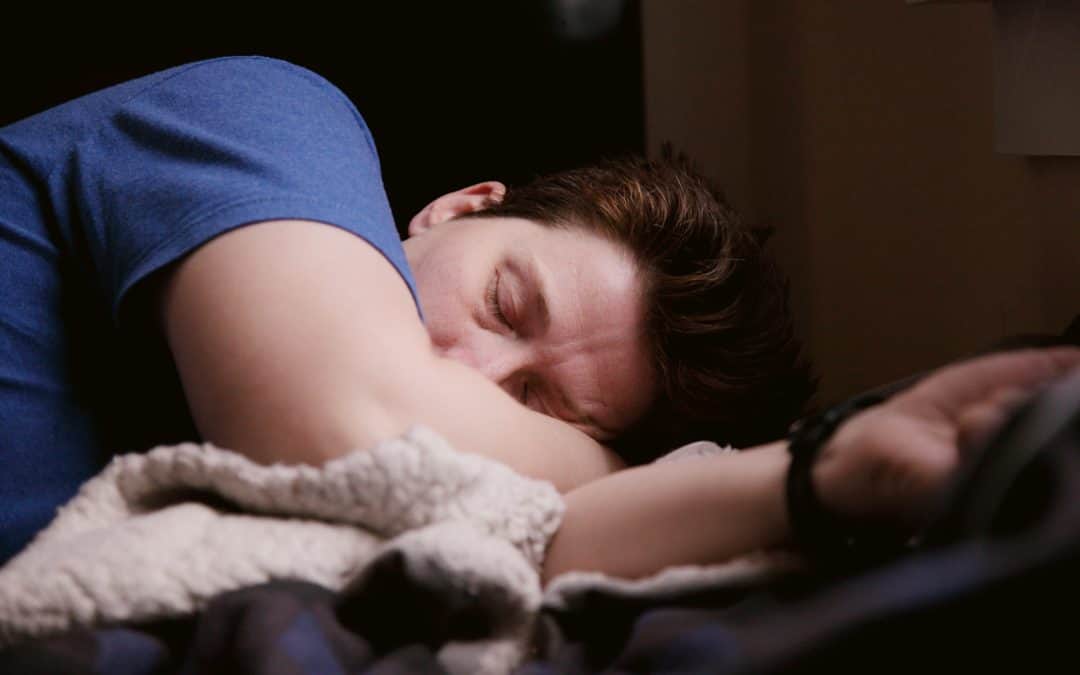
5 Tips for Modifying Your Sleep Behavior for a Better Night’s Rest

5 Tips for Modifying Your Sleep Behavior for a Better Night’s Rest

For Providers, For the Public, Team Members

Sleeping well can mean the difference between being alert, focused, and productive during the day and suffering from headaches, decreased cognitive function, and feeling irritable and moody. Unfortunately, many of us are getting less sleep than we need on a regular...

Habit Reversal: Treating Tics & Tourette’s

Habit Reversal: Treating Tics & Tourette’s

For Providers, For the Public, Team Members

Tics are involuntary muscle movements or vocalizations that can affect the face, body, and even the limbs of someone with Tourette syndrome (TS). Tourette’s has recently gained more recognition as the famous singer, Billie Eilish, has been public with her...
The Superbill vs. the Receipt: What’s the Difference?

The Superbill vs. the Receipt: What’s the Difference?

For Providers, For the Public, Team Members

The Superbill vs. the Receipt: What’s the Difference? You’ve probably heard the terms Superbill and receipt before, but do you know what the difference between them are? If you’re not sure, this article will help you find out. What is a Superbill? A Superbill,...
« Older Entries
Next Entries »

Recent Posts

  • Understanding Trypophobia: A Closer look at the fear of holes
  • Unveiling the Spectrum: Specialization in Medicine vs. Psychotherapy
  • The Power of Evidence-Based Treatment in Mental Health: A Guide to Informed Choices
  • Common misunderstandings about OCD
  • Misophonia: Treating sensitivity to sounds and other stimuli
  • Acceptance and Commitment Therapy for post-partum OCD: The transition to parenthood is difficult
  • Hit and Run OCD: Exposing Yourself to Your Fears
  • The Importance of Seeing an OCD Specialist for False Memory OCD
  • Can Habit Reversal Help Break the Cycle of Skin-Picking?
  • Depression: Effective Treatments including Acceptance and Commitment Therapy and Behavioral Activation
  • Body Dysmorphic Disorder: Treatment and Options
  • Understanding Hemophobia: Blood-Injury Phobia
  • Exposure and Response Prevention (ERP): The Treatment of Obsessional OCD
  • One Million Steps for OCD Walk, Austin, TX
  • Emetaphobia: Overcoming the Fear of Vomiting
  • Compulsive Staring OCD: A lesser-known subtype of OCD
  • When High-Functioning Perfectionism Breaks Down
  • ‘Just Right OCD’: A little-known form of OCD that’s more common than you think
  • Relationship OCD: A form of OCD that often damages the relationships where we most seek to be certain
  • 5 Tips for Modifying Your Sleep Behavior for a Better Night’s Rest
  • Habit Reversal: Treating Tics & Tourette’s
  • The Superbill vs. the Receipt: What’s the Difference?
  • So You Need a Mental Health Provider… Now What?
  • Levels of Mental Health Care: Inpatient, Residential, Partial Hospitalization, Intensive Outpatient, Group Therapy, and Individual Therapy
  • Understanding mental or behavioral health benefits
  • 7 Ways Yoga Transforms Your Mental Health
  • A Rewarding Career in Behavioral Health: We’re Hiring Licensed Clinical Psychologists!
  • We’re excited to announce our expansion into psychological/neuropsychological testing and behavioral treatment!
  • OCD: How to Overcome Your Fears
  • Get to Know Us: Better Living’s Mission, Vision, and Values
  • Mindfulness as a Mediator Between Trauma Exposure and Mental Health Outcomes
  • LGBTQ populations: Psychologically vulnerable communities in the COVID-19 pandemic
  • School-Based Racial Microaggressions
  • Measuring Outcomes: Reducing harmful outcomes associated with treatments
  • Trichotillomania: What is problematic hair-pulling?
  • Differences in Early and Late Onset OCD
  • Identifying and Treating Race-based Trauma
  • Offering Your Anxious Clients the Standard of Care
  • Racial Bias and Ethnic Disparities in Health Services
  • Postpartum OCD
  • Can mindfulness help with anxiety and depression?
  • Contamination OCD in Adolescents: Treatment with Acceptance and Commitment Therapy
  • Evidence-based Treatments for PTSD: Prolonged Exposure and Behavioral Activation
  • Scrupulosity: When religion and morality become impairing
  • Social Anxiety: Making a difference with exposure and Acceptance and Commitment Therapy
  • Mindfulness: A practice of shifting attention
  • What are you going to do about the thoughts and feelings that get in the way?
  • FAQs
  • Shop
  • Privacy Policy
  • My Account
  • P: (972)332-8733 | F: (972)332-8767 | 1333 W McDermott Dr #150, Allen, TX 75013
© 2022 Better Living Center for Behavioral Health. All Rights Reserved